
Byron Smith: The Castle Doctrine
The Castle Doctrine:AccusedByron Smith·VictimsNicholas Brady·Haile Kifer
Case at a glance
- When
- November 22, 2012 (Thanksgiving Day)
- Where
- Little Falls, Morrison County, Minnesota
- Perpetrator
- Byron David Smith
- Outcome
- Convicted of two counts of first-degree premeditated murder in April 2014 and sentenced to life without release; final appeal refused by the U.S. Supreme Court in 2021
The case
Byron Smith was a retired security engineer who had spent decades protecting U.S. embassies for the State Department. By 2012 he lived alone in a house on Elm Street in Little Falls, Minnesota, and the property had been burglarized several times. A shotgun was among the things taken, and no one had been charged.
On Thanksgiving Day, November 22, 2012, Smith moved his truck so the house would look empty and settled into his basement with a rifle, a revolver and an audio recorder. Around 12:30 p.m., seventeen-year-old Nick Brady came down the stairs, and Smith shot him several times. About ten minutes later Brady’s cousin, eighteen-year-old Haile Kifer, followed, and Smith shot her repeatedly as well. He did not call police. They learned of the shootings the next day, after he asked a neighbor to find him a lawyer and then to call them.
The recorder had captured hours of Smith talking about what he had done, and prosecutors argued that his final shots were fired after the teenagers were no longer any threat. In April 2014 a jury rejected his self-defense claim and convicted him of first-degree premeditated murder, and he received two concurrent life sentences without the possibility of release. The Minnesota Supreme Court upheld the verdict in 2016, and the U.S. Supreme Court declined to hear his last appeal in 2021.
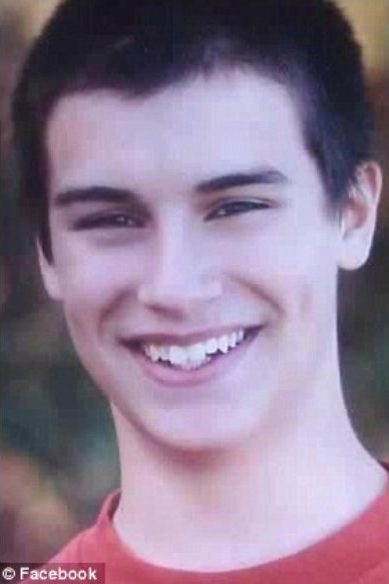
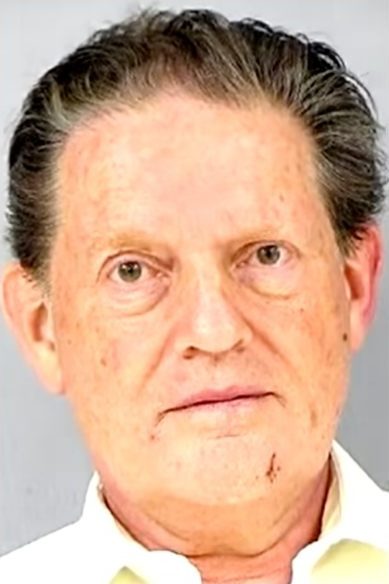
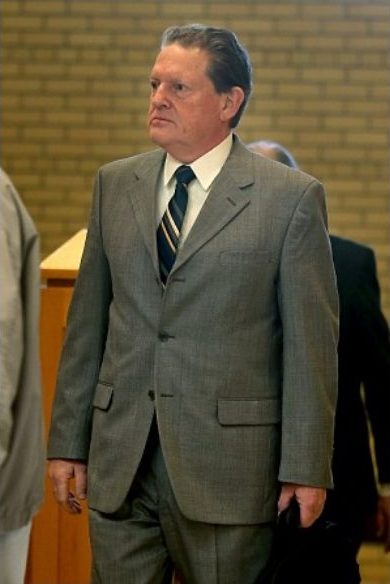
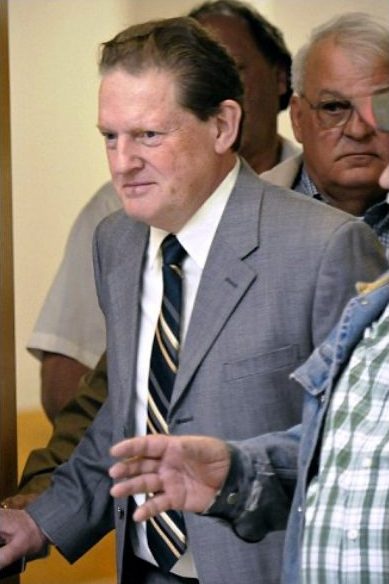
Case photographs


Where it happened
Little Falls, where Nick Brady and Haile Kifer were killed
More cases like this

The Vanishing Act
In July 1970 the Crawford family car was found at the bottom of Loch Ard Gorge with a mother and her three children inside, staged to look like a murder-suicide. Their father, Elmer Crawford, was seen at home that day and never again.

The Monster of the Andes
In 1980 a crowd in an Ecuadorian market town held a stranger who was leading a young girl away. Pedro Alonso López went on to show police the graves of 53 girls, served 14 years, and walked out of a Colombian hospital in 1998. No one knows where he is.

It Couldn’t Be Helped
A week after his wife asked for a divorce, former firefighter William Gravlin took a taxi back to the family home in Troy, Michigan. By morning his wife and six children were dead, each covered with a blanket and a note of apology.

No Fire, No Food
In March 1994, North Star Expeditions staff pulled sixteen-year-old Aaron Bacon from his Phoenix bed and drove him to Utah's remote Escalante canyon country, where the wilderness program's rules said no food sharing — and no fire until you earned it.

The Gum Ruse
Susan Vesey celebrated her twenty-first birthday in Everett, Washington, in July 1980. By morning she was dead on her bedroom floor, her infant son unharmed beside her — and the case would stay cold for decades.

The Sleepover
Ashley Freeman turned sixteen on December 29, 1999, and her best friend Lauria Bible stayed over at the family trailer near Welch, Oklahoma. Before dawn the trailer was in flames, and the two girls were gone.

Hurtcore
Behind a closed bedroom door in suburban Melbourne, a quiet former babysitter named Matthew Graham ran the dark web's most notorious child-abuse network under the name Lux — until investigators on three continents started pulling the thread.

Keep Digging
Pat Walsh and Mary Anne Wysocki drove to wintry Provincetown for a weekend getaway in January 1969 and never came home — and the search for them would lead into the dunes and secrets of Tony Costa's Cape Cod.
Jason Neal has been writing true crime since 2019 and is the author of the True Crime Case Histories book series.
The full written account of this case is in True Crime Case Histories: Volume 14: Book · Paperback · Audiobook